Is Plywood Considered a "Living Material"?
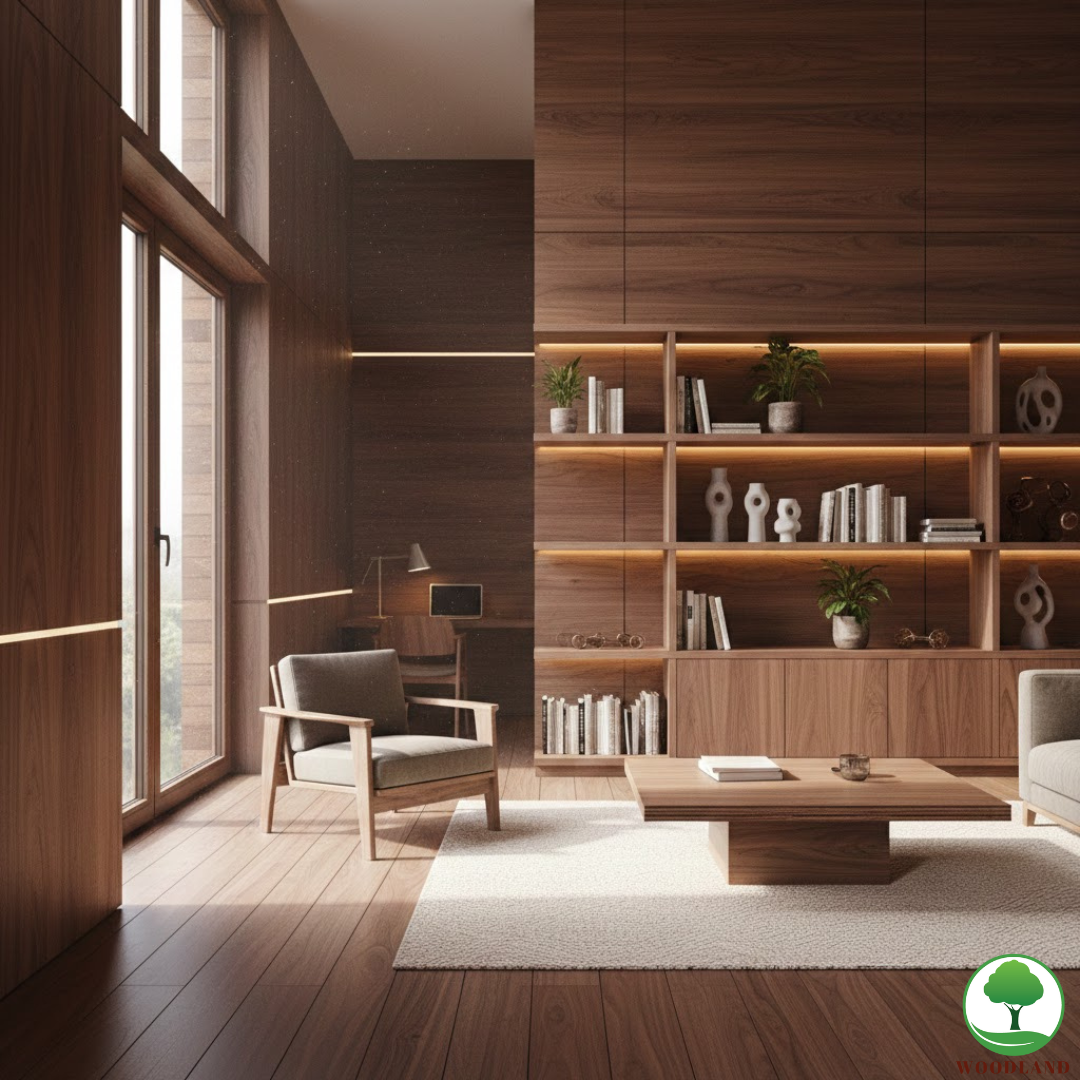
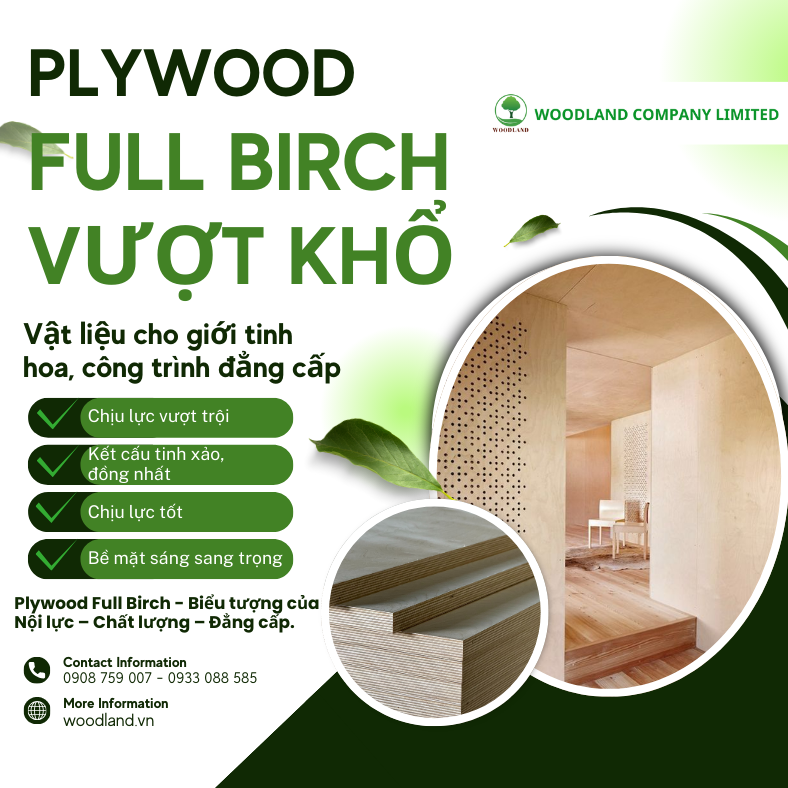
Plywood has the ability to 'breathe' and adapt. Discover why Plywood is considered a "living material" that brings a natural, sustainable soul to modern spaces.
Written by
Woodland
News
Green material trend
Woodland
Green material trend
Plywood has the ability to 'breathe' and adapt. Discover why Plywood is considered a "living material" Bringing a natural, sustainable soul to modern spaces.
Welcome back to this small corner sharing about living space and sustainable materials. It's a pleasure to accompany you in this narrative conversation - where we sit together, sip a cup of coffee and discuss wood fibers.
Today, we will together find the answer to a question that sounds a bit... philosophical: "Is Plywood really a living material?"
In architecture and interior design, the concept of "living material" It's not just about physical growth, it's about connection, adaptation, and persistence over time. A material considered "living" as it breathes naturally, reacts to the environment and grows with the homeowner. And those are the characteristics that make the material Plywood (plywood) special, worthy of respect from leading design experts.
Plywood: The Soulful Continuation of Natural Wood
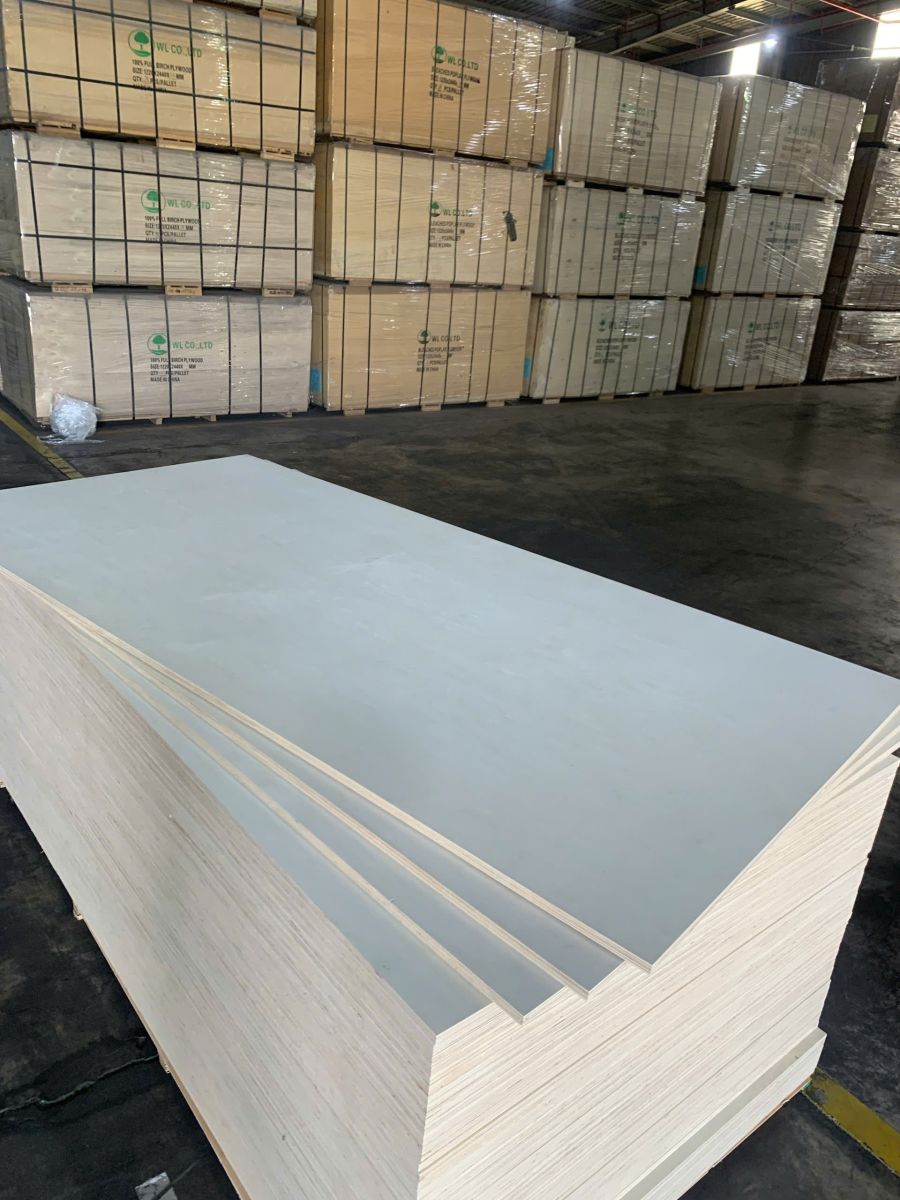
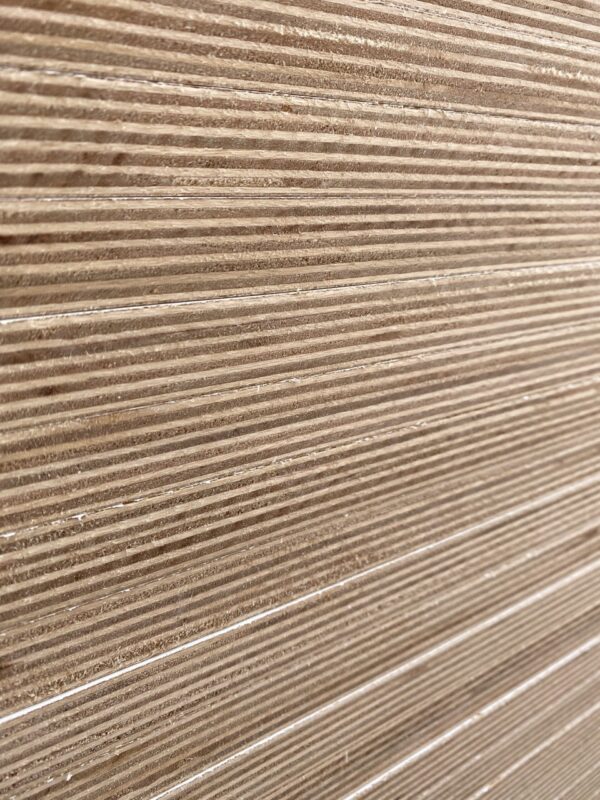
We all know that Plywood is made up of thin layers of natural wood, stacked and bonded together. Even though it has undergone technical processing, the nature of each layer of wood still retains its original cell structure. This is the core factor that helps Plywood retain the "soul" of natural wood:
1. Calculate "Breath" and Plywood's Excellent Adaptation Mechanism
Like natural wood, Plywood still has the ability to "breathe" according to the humidity of the environment. This is a natural mechanism that helps the material maintain balance and bring a pleasant feeling to the space:
Elasticity and Adaptation: Plywood has the ability to gently stretch when humidity changes. This is a physical reaction that proves that the material is interacting with the surrounding environment, helping the living space become more balanced, reducing excessive dryness or humidity.
Moisture control: Thanks to its interwoven multi-layer structure, Plywood minimizes warping compared to solid wood, but still retains the ability to absorb and release moisture. This contributes to creating a fresh living environment and close to nature.
2. Unique Wood Grains - The Unique Story of Each Plywood Panel
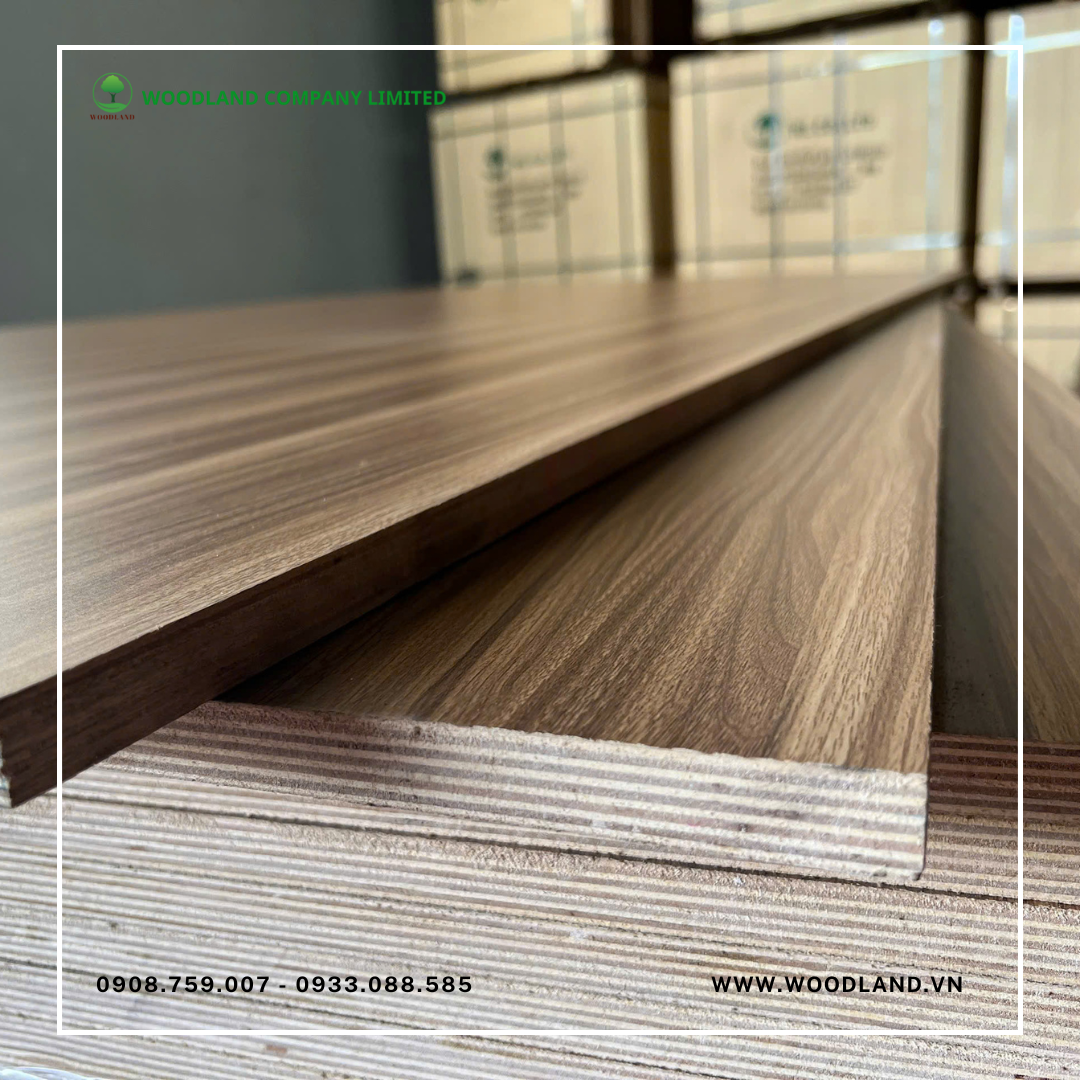
No two Plywood panels are exactly alike. Each pattern tells a story about the years, about the age rings of forest trees. Isn't that a trace of life that has been delicately preserved?
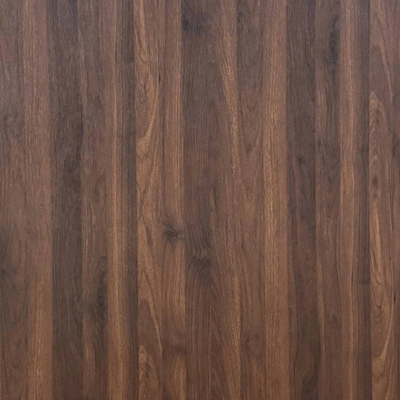
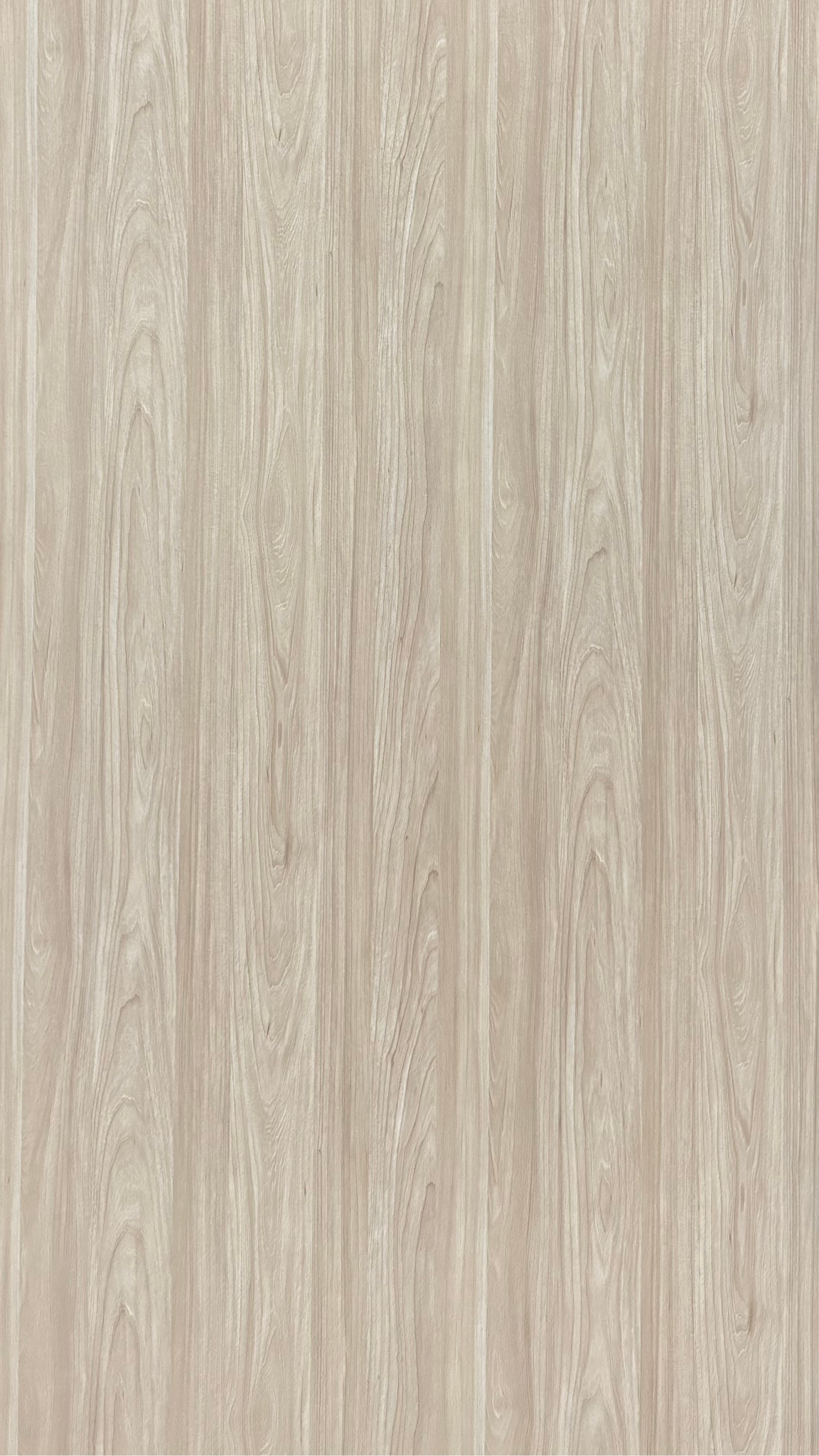
Personal mark: The wood grain lines on Plywood are not artificial prints, but a random, unique arrangement of nature. When you own a piece of furniture made from Plywood material, you own a work of art that cannot be copied.
Warm emotions: The natural, imperfect beauty of wood grain brings a feeling of warmth, relaxation and connection, completely different from the cold, impersonality of purely industrial materials.
The "Living" Of Plywood Material: Transformation Over Time
One of the outstanding characteristics of living materials is change and maturity over the years. Plywood does not stand still or fade indifferently like plastic or metal. Instead, it creates a "patina" - beauty accumulates over time:
1. Patina Beauty and Natural Color Change
Over time, under the influence of light and natural oxidation, the color of Plywood will change slightly - usually darker, warmer. This is called the Patina phenomenon:
This color transition is evident in light-colored wood lines such as Birch Plywood or Poplar Plywood, creating emotional depth for the space and affirming the "living" material. strongly.
This change is not a sign of deterioration, but a sign of "maturity", giving the furniture a higher emotional value over the years.
2. Ability to Symbiotic and Preserve Memories
"living" is a material that is used, touched and loved. Tiny scratches or natural wear over the years do not make Plywood furniture old, but on the contrary, add "depth" to it. and personality:
Each mark, each change of color is a testament to the homeowner's attachment and experience.
Plywood becomes a "companion" silent, persistent and flexible, symbiotic with the house and narrating the story